Why Publishing Needs Communities
Five ideas from a conversation with Lindsey Ramey, founder of Lunora
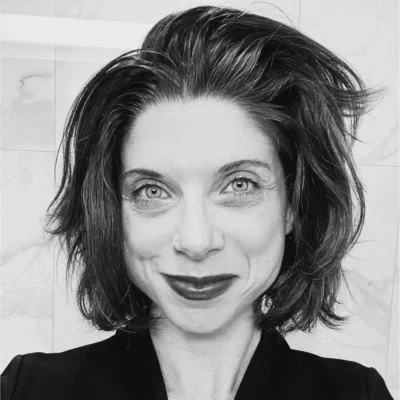
Lindsey Ramey is the founder of Lunora, a startup reimagining digital publishing around storytelling, community and creator ownership. Her career has spanned Hollywood, Wattpad, AI, gaming, and the creator economy.
In this article
Why publishing is becoming a relationship business
Why fandom should be part of the product
How community creates better monetization
Why AI should strengthen creators, not replace them
What the future of publishing might look like
The relationship between creators and their fans has evolved dramatically in the past few decades. When I was younger, my favorite creators felt like distant figures. They occasionally surfaced to attend signings, or conventions, but that was about it. You certainly didn’t have a constant, two-way connection with them.
Today, that relationship looks completely different. Authors build audiences on TikTok, Instagram and Royal Road. Readers discuss books on Discord, and fan fiction extends fictional universes long after a novel ends.
But these fan communities are scattered across dozens of platforms.
Lindsey Ramey, founder of Lunora, believes that's the next problem publishing has to solve. I recently spoke with Lindsey about why she believes the future of publishing isn't just another reading app, but a platform that combines storytelling, community, and commerce into a single ecosystem.
Here are the four ideas that stood out.
Publishing Is Becoming a Relationship Business.
Lindsey's career has taken her from Hollywood to gaming, AI, and the creator economy. Each part of the industry represents a different way creators build relationships with audiences.
"Throughout that exploration, I noticed that publishing and digital storytelling were largely absent from conversations about the future of entertainment, which surprised me because storytelling is one of humanity's oldest forms of entertainment.
Eventually I distilled everything down to three pillars: storytelling, data, and community."
That framework is intriguing. Traditional publishing is great at distributing books, but it’s far less effective at helping authors build relationships with readers.
Publishers excel at editing, production, and distribution, but authors are expected to maintain newsletters, social media accounts, Discord servers, and Patreon pages. And, somehow, continue writing.
Lindsey is trying to reinvent everything that happens after the story is published.
“My goal became finding ways to bring ideas from gaming, AI, and the creator economy back into publishing.”
Fandom Should Be Part of the Product.
Perhaps the most interesting idea in our conversation was Lindsey's belief that fandom should be incorporated into the reading experience.
"Creators don't need another isolated tool—they need an ecosystem that unifies content, community, and commerce."
Readers already continue stories after they finish them by writing fan fiction, building wikis, debating theories and recommending books. Those behaviors have traditionally happened across a variety of platforms like Reddit, Discord, TikTok, or Tumblr. Lindsey sees an opportunity to integrate the entire experience into one platform
“Lunora is designed to bring content, commerce, and community together into a single platform. Authors would be able to define what fans can create within their worlds, protecting canon while encouraging participation.”
Instead of thinking about books as finished products, Lindsey thinks about them as starting points for ongoing participation. If publishing adopts that mindset, communities can become part of the storytelling experience.
“The long-term goal is supporting creativity at every level. Fan fiction becomes an accessible entry point for new writers, who can eventually develop original stories of their own.”
Community Creates Better Monetization.
Most conversations about creator monetization revolve around subscriptions, advertising, or premium content. Lindsey, however, sees the future of monetization in ownership.
Her experience at Wattpad convinced her that creators struggled to monetize because they didn't truly own the relationship with their audience.
"Wattpad began as a free platform, and later attempts to introduce monetization were difficult because users had become accustomed to everything being free. Authors lacked the autonomy that creators have on platforms like Patreon."
The lack of autonomy is where the opportunity lies. If creators own their communities, new forms of monetization naturally emerge like memberships, exclusive experiences, licensed fan creations and collaborative storytelling.
Lindsey even imagines authors allowing fans to create stories within their fictional worlds while sharing revenue from those works. I think the biggest idea here is that monetization becomes easier when communities are treated as long-term assets rather than one-time marketing funnels.
AI Should Strengthen Relationships, Not Replace Writers.
While many executives are feeling pressured to transform their businesses into AI-powered platforms, Lindsey's perspective is more restrained. Instead of thinking about how AI can generate stories, she’s exploring how it can remove friction.
"The place where AI excites me most is discovery. Machine learning can better understand readers' interests and recommend stories they'll genuinely enjoy. It can also support creators through editing and organizational tools without replacing their creativity."
Those uses of AI have the potential to strengthen the connection between writers and readers, instead of replacing creativity. Throughout my talks with creatives and executives, the idea of AI empowering instead of replacing creatives has been a common thread.
Publishing Is Becoming an Ecosystem.
Publishing has historically optimized for distributing books. Lindsey wants to optimize for growing creative ecosystems.
"We're moving toward a world where creators have far more direct access to audiences. Creators don't need another tool—they need an ecosystem."
Lindsey’s vision is:
Books become communities.
Communities generate momentum and become businesses.
Businesses become ecosystems where readers, writers, aspiring creators, and fans all contribute value.
Gaming has already shown what this can look like. Roblox and Minecraft thrive because creators inspire each other. Lindsey believes publishing is beginning a similar transition. For decades, publishing has focused solely on delivering stories to readers. The next chapter may be about building places where stories, creators, and communities evolve together.
